big apple
US
・UK
A1
prop. n.Proper NounA nickname for New York City.
New York is known as the Big Apple.
Video subtitles
Annoying Orange - Amazon Takeover Supercut!

- Okay, Big Apple, all finished.
Okay, Big Apple, all finished.
- No, no, I meant she's able to call you Big Apple and keep a straight face, hahaha.
No, no, I meant she's able to call you Big Apple and keep a straight face, hahaha.
Mamdani Wins With Relentless Positivity | Lander To Cuomo: "Good F***ing Riddance" | Corporate Pride

- Oh, staying here, staying here in the Big Apple, it's New York Pride Week.
Oh, staying here, staying here in the Big Apple, it's New York Pride Week.
- Oh, staying here... staying here in the Big Apple, it's New York Pride Week.
Oh, staying here... staying here in the Big Apple, it's New York Pride Week.
Chandler & Ross Load Up on Hotel Amenities | Friends
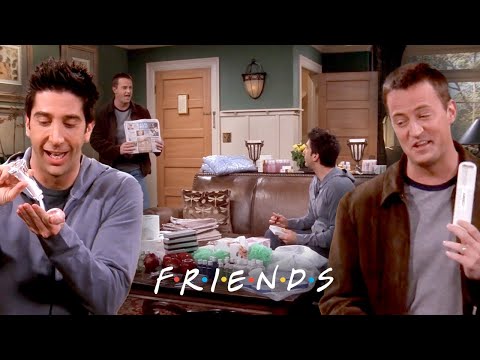
- The Big Apple!
The Big Apple!
- The Big Apple.
The Big Apple.
Peppa Pig Season 1 Episode 10 - Gardening - Cartoons for Children
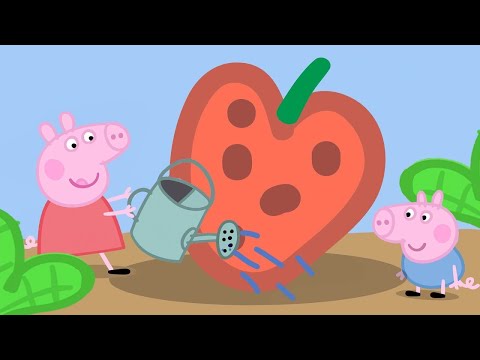
- Even the big apple tree?
Even the big apple tree?
- Even the big apple tree?
Even the big apple tree?
Learn 10 phrases before traveling to USA

- Today, I'm a tourist visiting the Big Apple and will learn some basic English phrases and practice some common tourist situations.
Today, I'm a tourist visiting the Big Apple and will learn some basic English phrases and practice some common tourist situations.
- Today I'm a tourist visiting the Big Apple and we'll learn some basic English phrases and practice some common tourist situations.
Today I'm a tourist visiting the Big Apple and we'll learn some basic English phrases and practice some common tourist situations.
Is sugar the new cigarettes? Why you may see new warning labels

- And though a growing number of state laws are limiting local government control over food and nutrition, the Big Apple is just the latest to crack down on the sweet stuff.
And though a growing number of state laws are limiting local government control over food and nutrition, the Big Apple is just the latest to crack down on the sweet stuff.
- And though a growing number of state laws are limiting local government control over food and nutrition, the Big Apple is just the latest to crack down on the sweet stuff.
And though a growing number of state laws are limiting local government control over food and nutrition, the Big Apple is just the latest to crack down on the sweet stuff.
New York City - City Video Guide

- Over eight million people call the Big Apple home,
Over eight million people call the Big Apple home,
- Over 8 million people call the Big Apple home,
Over 8 million people call the Big Apple home,
How to Understand MOVIES and TV Without SUBTITLES in 2026

- The show is about six individuals who live in the Big Apple,
The show is about six individuals who live in the Big Apple,
- The show is about six individuals who live in the Big Apple, and
The show is about six individuals who live in the Big Apple, and
Machine Learning over Coffee with Josh Gordon - Coffee with a Googler

- Today I'm in the Big Apple meeting with Josh Gordon from Google to talk about machine learning, where we will dig into how it works, why it's important,
Today I'm in the Big Apple meeting with Josh Gordon from Google to talk about machine learning, where we will dig into how it works, why it's important,
- LAURENCE MORONEY: Today I'm in the Big Apple
LAURENCE MORONEY: Today I'm in the Big Apple
Part 2 - Training Jazz & Lindy Hop - Jazz in detail
- Now when it comes to the jazz part of the trainings this is really how I would do it okay everybody has their own way to be honest if you ask somebody else how they do it it might be a little bit different but I've somewhat seen everybody more or less uses the same grid the same kind of layout right for the training so for one it would be a warm-up and our warm-up for jazz dancers would be something more of the regards to rhythm warm-ups or tap warm-ups soft shoe whatever way you want to call it I would call them rhythm steps they're jazz steps from the legacy of tap right and those would just be shuffles scuffles flaps all these kind of things and you can do that even for the music goes on just get nice and warmed up understand that you're keeping a continuous rhythm and warming up your feet and it's really going to help you improve drastically your technique and your flow when it comes to jazz dancing the second part would be to do some of those rhythm steps or tap steps that would be time step break a half break Buffalo step maxi Ford whatever it is okay all those steps and you can find a lot of those steps if you just tap online right what's it hey show me a time step time step tutorial if you don't have that information it's very easy to look for or how about you can go to jazzers my website and get a subscription there that's another that's another option then we would go into learning or practicing our classic routines and in this case what I like to do is sometimes put on a song like Broadway and do the Tranky Do to Broadway and you would do it maybe two or three times in a row and I assure you when you start doing it and then you feel like there's some parts of it that you're not really and familiar with that's going to be great content for you now to train on for the next part of the whole session and some people are going to join you because they might want to know also what step you're working on and and now it's bringing this cohesiveness together this group together to work on that and the whole idea is that it's now bringing people together and it has you're identifying your weaknesses right what I usually like to do as well is that as people are warming up is to kind of kick off the training with a shim sham and we'll put on just a music a swing song and have everybody do a shim sham more ideally a tap shim sham again because it's going to be related to your warm-up and everybody gets together and it's a fun moment to kick off the training like hey we're all here together and then it starts going so what do we have so far we have our warm-ups with some technique related to soft shoe tap rhythm steps whatever way you want to call it then we practice some our foundation and we drill the time steps to half breaks the breaks all these these basic important steps that are related to your jazz foundation and then after that either you continue to work on some of your classic routines that you're that you're weak on or you will go into some drills before I go into really drilling my foundation which I'll go into what that means I do some freestyling I just kind of want to let go so put put let just put the music on let go just flowing with the music and start getting a bit creative and letting go but also maybe tie that to your tap exercise so for example you could hit the break if it's a blue structure hit the sixth eight if it's a swing structure hit the fourth eighth with a break t-o-b-a break precisely and this is going to help you not only improve letting go and freestyling and getting creative but also to be more precise in your dancing and not just doing whatever right now drilling foundation what the hell does that mean it means you take a basic step a foundational step let's say you fall off the log and you do it for five ten fifteen minutes straight up yeah this is a very important and approach to a dance it doesn't matter what dance you do we all do this if you look at ballet you're going to practice your foundation you're going to be doing leg extensions for 30 minutes if you're going to be doing locking you're going to be wrist rolling for 15 minutes and redoing it and redoing it until it's absolutely embodied you understand embodied embody your foundation so if it's a Charleston if it's a jumping Charleston if it's a squat Charleston embody the movement and it can only you can only truly achieve that by repetition and correction if you're only repeating and just repeating the same damn thing all the all the time and just satisfied with that it's not going to work you have to repeat but seek to continually improve what is it that you can do better what about your hands what about your head position what about your foot position are you shuffling is your change of weight good are you breaking the lines are you adding in style or you know adding in flow are you able to transition smoothly into other steps from that basic step etc etc etc it's always seeking to be improved as artists we're always a little bit unsatisfied right a little bit unsatisfied with ourselves and I do use video as a tool to help me improve on those things definitely a lot right so yeah don't hesitate there when it comes to content what kind of what's going to inspire you to train for me it was clearly old clips and you could see me at training and even to this day sometimes I might put on a little video clip that I found and I will look at one of the dancers and not I would try to copy them at first but I would try then just to pick out the things that are important which is maybe their rhythm or yeah they're the flow or they're the flavor and then of course just adapted to my body how my body works and my body moves even for practicing old routines I would look at the old clips and for me it's the most reliable and best source possible I could say it's my classes online but I even then I will always tell you to go and look at the original material some might like to watch a recap of a class or something like that and that's totally fine and of course do that if that's your your thing in my opinion I like to look at the old school I like the old school style I like the way they move and so for me it was important to be able to learn from them as if they were still around today and the only way to do that for me personally were true old clips so that's also a tool for learning new content and by the way it's really not easy it's not easy to break down clips I might do another video sometime if you're interested about how I would break down clips and make sure that I'm closer to reality of what they're doing so now we are arriving towards the end of our training right if we recap we did our warm-up scuffles shuffles flaps whatever we go into drilling some of our rhythm steps we go into bringing everybody together cohesively maybe kicking off the training with a shim sham tap shim sham maybe even some classic routines we're able to identify our weaknesses practice those aspects in the classic routines I would use old video clips even for those the tranquil doing stuff to improve on after that I would drill some other parts of the foundation but there's already so much foundation by the way in old routines so you can you can drill a lot of the foundation that's in there but yeah I would stick to it correct it embody it as much as possible that could easily keep you occupied for at least an hour and a half and now I would probably transition to Lindy Hop into the next part of the training and in this case the transition is always good to what I find is to maybe kick off another old routine and so it could be the Big Apple for example but I wouldn't do it put it on the song once I would put it in two three maybe even four times in a row and so even the ones that are waiting on the side because they feel like they can't do the Big Apple routine you pull them in because you're just like this we're gonna do it four times in a row so you're just gonna learn it on the spot believe me and then next time when they come back to training they'll let deal you know you could help them break down a few steps or whatever but that's how we do it that's how we transition everyone's gonna get very very tired there and we're now going to drink some water and move on to the next part
Now when it comes to the jazz part of the trainings this is really how I would do it okay everybody has their own way to be honest if you ask somebody else how they do it it might be a little bit different but I've somewhat seen everybody more or less uses the same grid the same kind of layout right for the training so for one it would be a warm-up and our warm-up for jazz dancers would be something more of the regards to rhythm warm-ups or tap warm-ups soft shoe whatever way you want to call it I would call them rhythm steps they're jazz steps from the legacy of tap right and those would just be shuffles scuffles flaps all these kind of things and you can do that even for the music goes on just get nice and warmed up understand that you're keeping a continuous rhythm and warming up your feet and it's really going to help you improve drastically your technique and your flow when it comes to jazz dancing the second part would be to do some of those rhythm steps or tap steps that would be time step break a half break Buffalo step maxi Ford whatever it is okay all those steps and you can find a lot of those steps if you just tap online right what's it hey show me a time step time step tutorial if you don't have that information it's very easy to look for or how about you can go to jazzers my website and get a subscription there that's another that's another option then we would go into learning or practicing our classic routines and in this case what I like to do is sometimes put on a song like Broadway and do the Tranky Do to Broadway and you would do it maybe two or three times in a row and I assure you when you start doing it and then you feel like there's some parts of it that you're not really and familiar with that's going to be great content for you now to train on for the next part of the whole session and some people are going to join you because they might want to know also what step you're working on and and now it's bringing this cohesiveness together this group together to work on that and the whole idea is that it's now bringing people together and it has you're identifying your weaknesses right what I usually like to do as well is that as people are warming up is to kind of kick off the training with a shim sham and we'll put on just a music a swing song and have everybody do a shim sham more ideally a tap shim sham again because it's going to be related to your warm-up and everybody gets together and it's a fun moment to kick off the training like hey we're all here together and then it starts going so what do we have so far we have our warm-ups with some technique related to soft shoe tap rhythm steps whatever way you want to call it then we practice some our foundation and we drill the time steps to half breaks the breaks all these these basic important steps that are related to your jazz foundation and then after that either you continue to work on some of your classic routines that you're that you're weak on or you will go into some drills before I go into really drilling my foundation which I'll go into what that means I do some freestyling I just kind of want to let go so put put let just put the music on let go just flowing with the music and start getting a bit creative and letting go but also maybe tie that to your tap exercise so for example you could hit the break if it's a blue structure hit the sixth eight if it's a swing structure hit the fourth eighth with a break t-o-b-a break precisely and this is going to help you not only improve letting go and freestyling and getting creative but also to be more precise in your dancing and not just doing whatever right now drilling foundation what the hell does that mean it means you take a basic step a foundational step let's say you fall off the log and you do it for five ten fifteen minutes straight up yeah this is a very important and approach to a dance it doesn't matter what dance you do we all do this if you look at ballet you're going to practice your foundation you're going to be doing leg extensions for 30 minutes if you're going to be doing locking you're going to be wrist rolling for 15 minutes and redoing it and redoing it until it's absolutely embodied you understand embodied embody your foundation so if it's a Charleston if it's a jumping Charleston if it's a squat Charleston embody the movement and it can only you can only truly achieve that by repetition and correction if you're only repeating and just repeating the same damn thing all the all the time and just satisfied with that it's not going to work you have to repeat but seek to continually improve what is it that you can do better what about your hands what about your head position what about your foot position are you shuffling is your change of weight good are you breaking the lines are you adding in style or you know adding in flow are you able to transition smoothly into other steps from that basic step etc etc etc it's always seeking to be improved as artists we're always a little bit unsatisfied right a little bit unsatisfied with ourselves and I do use video as a tool to help me improve on those things definitely a lot right so yeah don't hesitate there when it comes to content what kind of what's going to inspire you to train for me it was clearly old clips and you could see me at training and even to this day sometimes I might put on a little video clip that I found and I will look at one of the dancers and not I would try to copy them at first but I would try then just to pick out the things that are important which is maybe their rhythm or yeah they're the flow or they're the flavor and then of course just adapted to my body how my body works and my body moves even for practicing old routines I would look at the old clips and for me it's the most reliable and best source possible I could say it's my classes online but I even then I will always tell you to go and look at the original material some might like to watch a recap of a class or something like that and that's totally fine and of course do that if that's your your thing in my opinion I like to look at the old school I like the old school style I like the way they move and so for me it was important to be able to learn from them as if they were still around today and the only way to do that for me personally were true old clips so that's also a tool for learning new content and by the way it's really not easy it's not easy to break down clips I might do another video sometime if you're interested about how I would break down clips and make sure that I'm closer to reality of what they're doing so now we are arriving towards the end of our training right if we recap we did our warm-up scuffles shuffles flaps whatever we go into drilling some of our rhythm steps we go into bringing everybody together cohesively maybe kicking off the training with a shim sham tap shim sham maybe even some classic routines we're able to identify our weaknesses practice those aspects in the classic routines I would use old video clips even for those the tranquil doing stuff to improve on after that I would drill some other parts of the foundation but there's already so much foundation by the way in old routines so you can you can drill a lot of the foundation that's in there but yeah I would stick to it correct it embody it as much as possible that could easily keep you occupied for at least an hour and a half and now I would probably transition to Lindy Hop into the next part of the training and in this case the transition is always good to what I find is to maybe kick off another old routine and so it could be the Big Apple for example but I wouldn't do it put it on the song once I would put it in two three maybe even four times in a row and so even the ones that are waiting on the side because they feel like they can't do the Big Apple routine you pull them in because you're just like this we're gonna do it four times in a row so you're just gonna learn it on the spot believe me and then next time when they come back to training they'll let deal you know you could help them break down a few steps or whatever but that's how we do it that's how we transition everyone's gonna get very very tired there and we're now going to drink some water and move on to the next part
- And so it could be the Big Apple, for example.
And so it could be the Big Apple, for example.